Systems Food Microbiology — from Insight to Impact
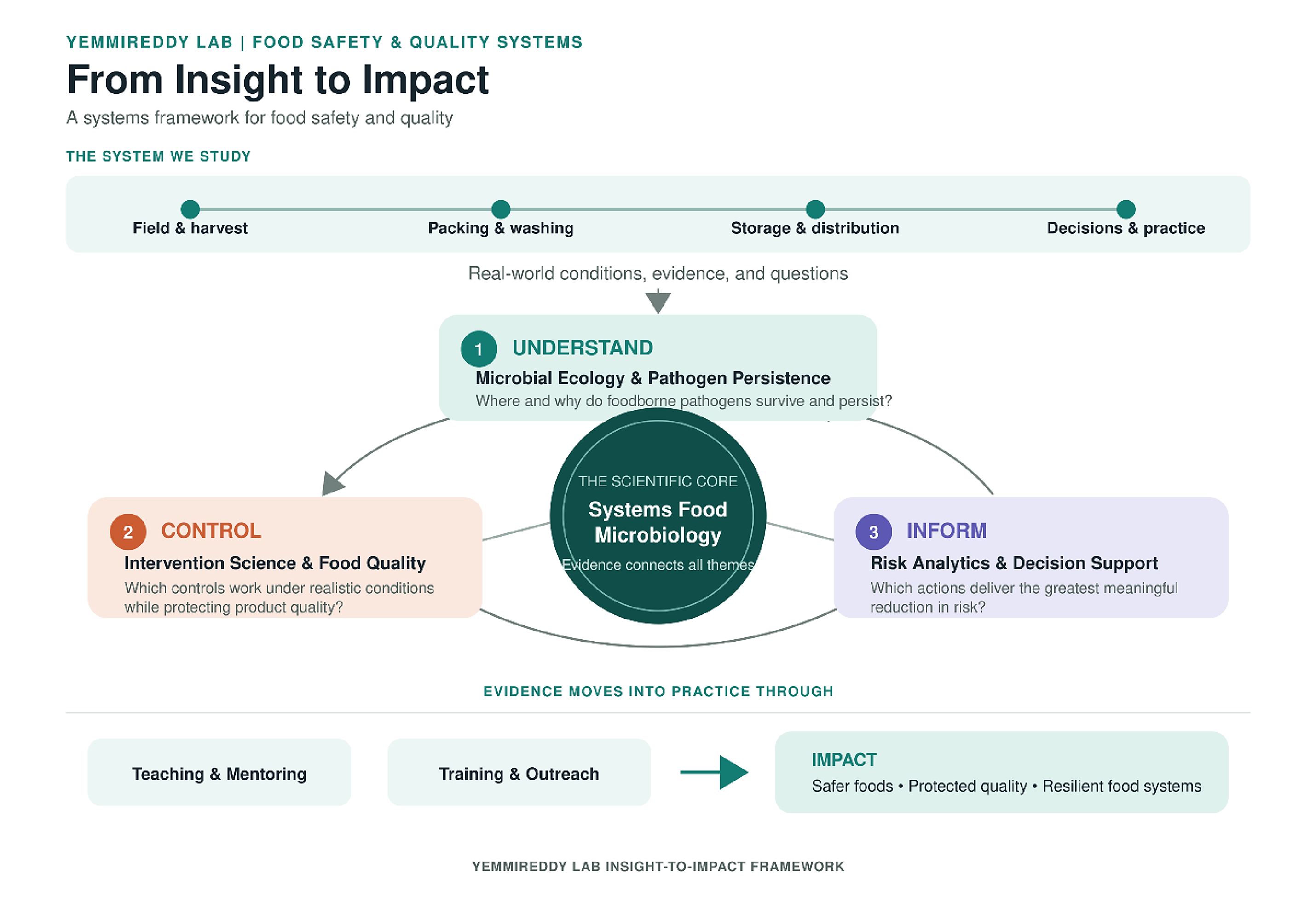
We study how microorganisms behave across food supply chains, which controls work under realistic conditions, and how scientific evidence can guide better food-safety decisions.
Our research follows three connected directions: Understand. Control. Inform.
Our Research Framework
From Insight to Impact
A systems framework for food safety and quality
The system we study
- Field & harvest
- Packing & washing
- Storage & distribution
- Decisions & practice
Real-world conditions, evidence, and questions
1Understand
Microbial Ecology & Pathogen Persistence
Where and why do foodborne pathogens survive and persist?
2Control
Intervention Science & Food Quality
Which controls work under realistic conditions while protecting product quality?
3Inform
Risk Analytics & Decision Support
Which actions deliver the greatest meaningful reduction in risk?
Evidence moves into practice through
- Safer foods
- Protected quality
- Resilient food systems
Microbial Ecology & Pathogen Persistence
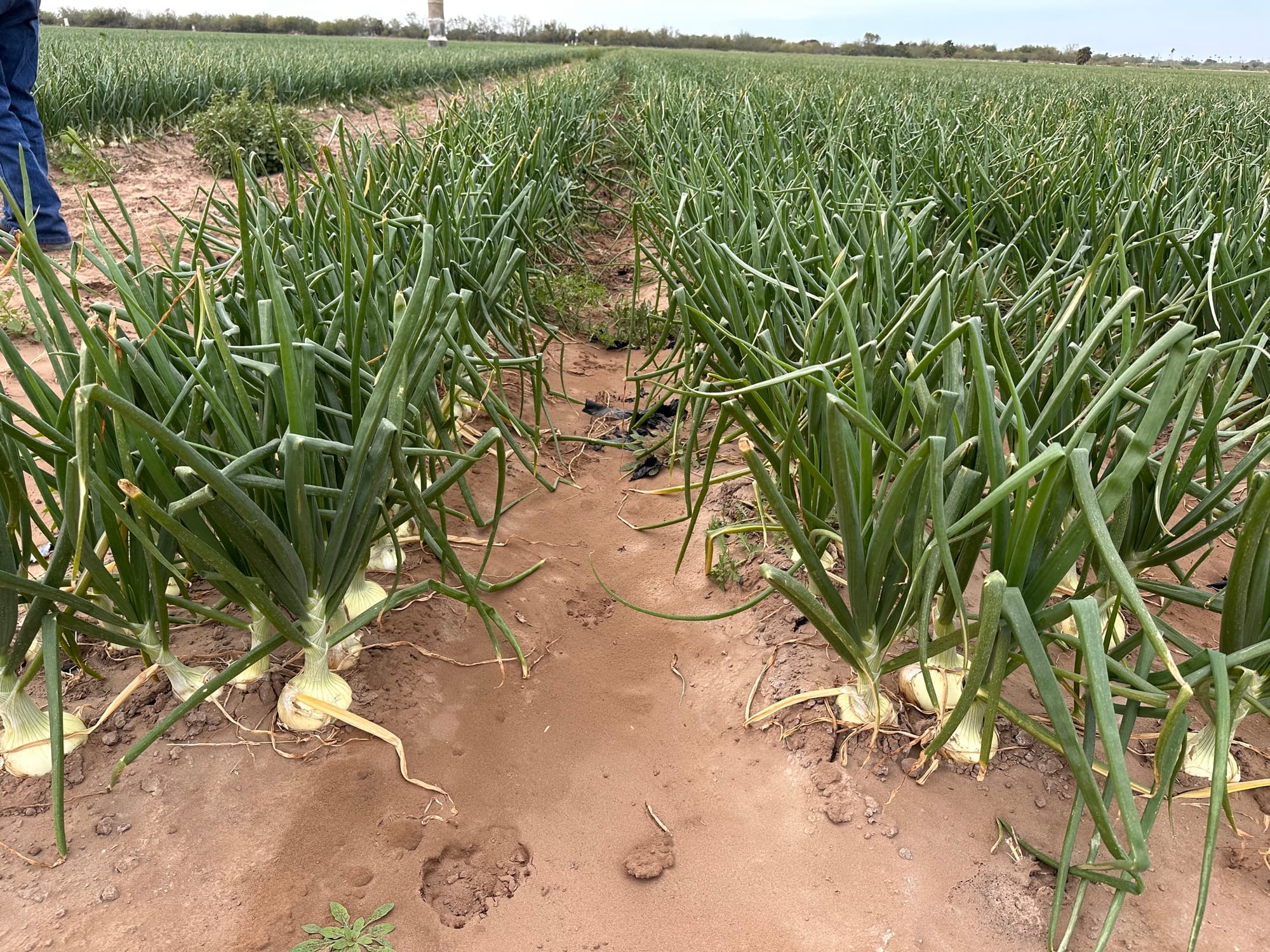
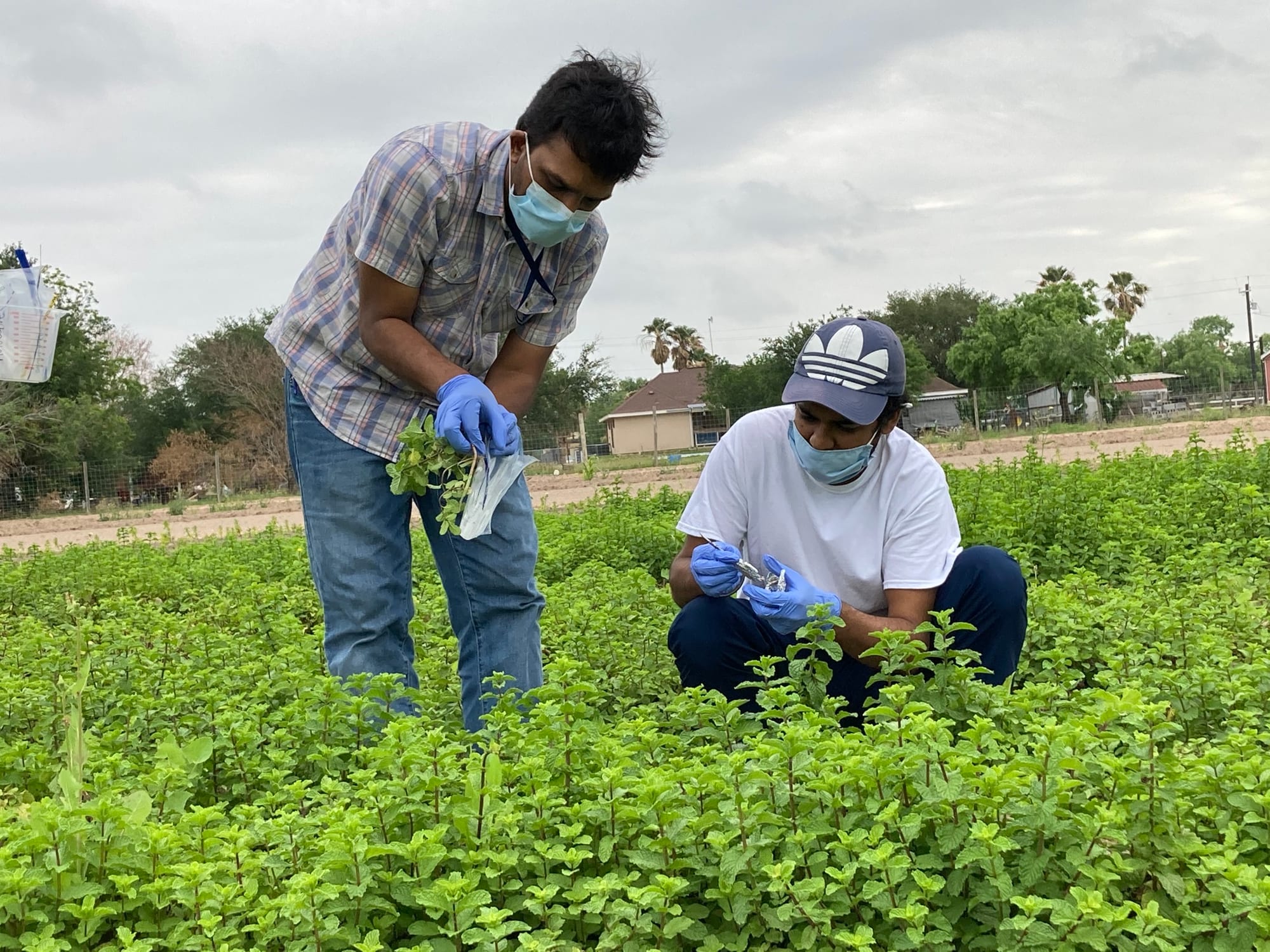
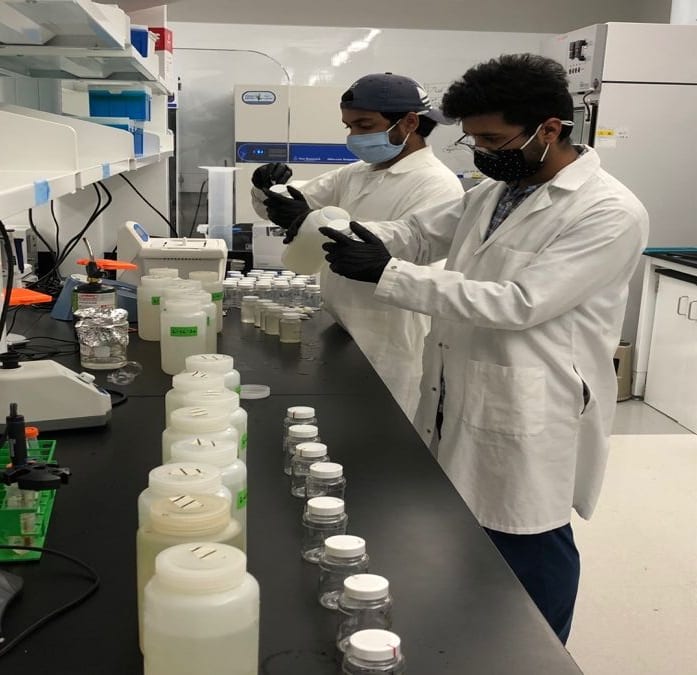
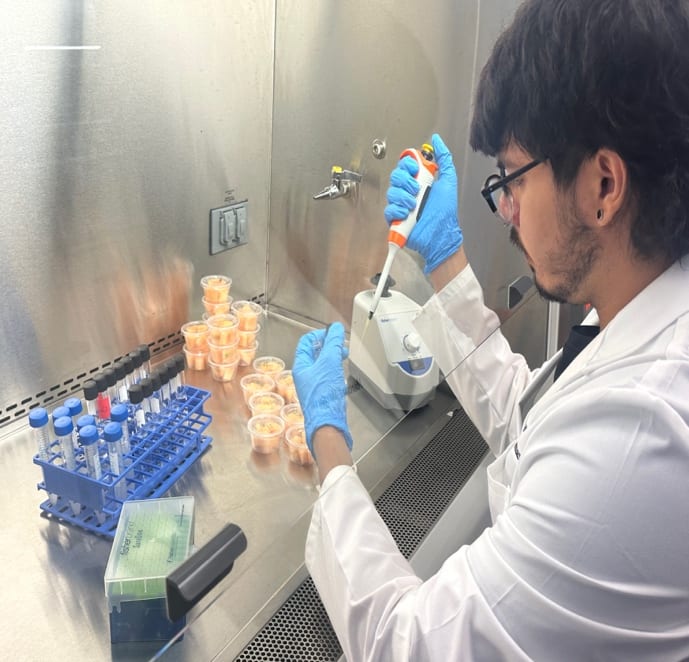
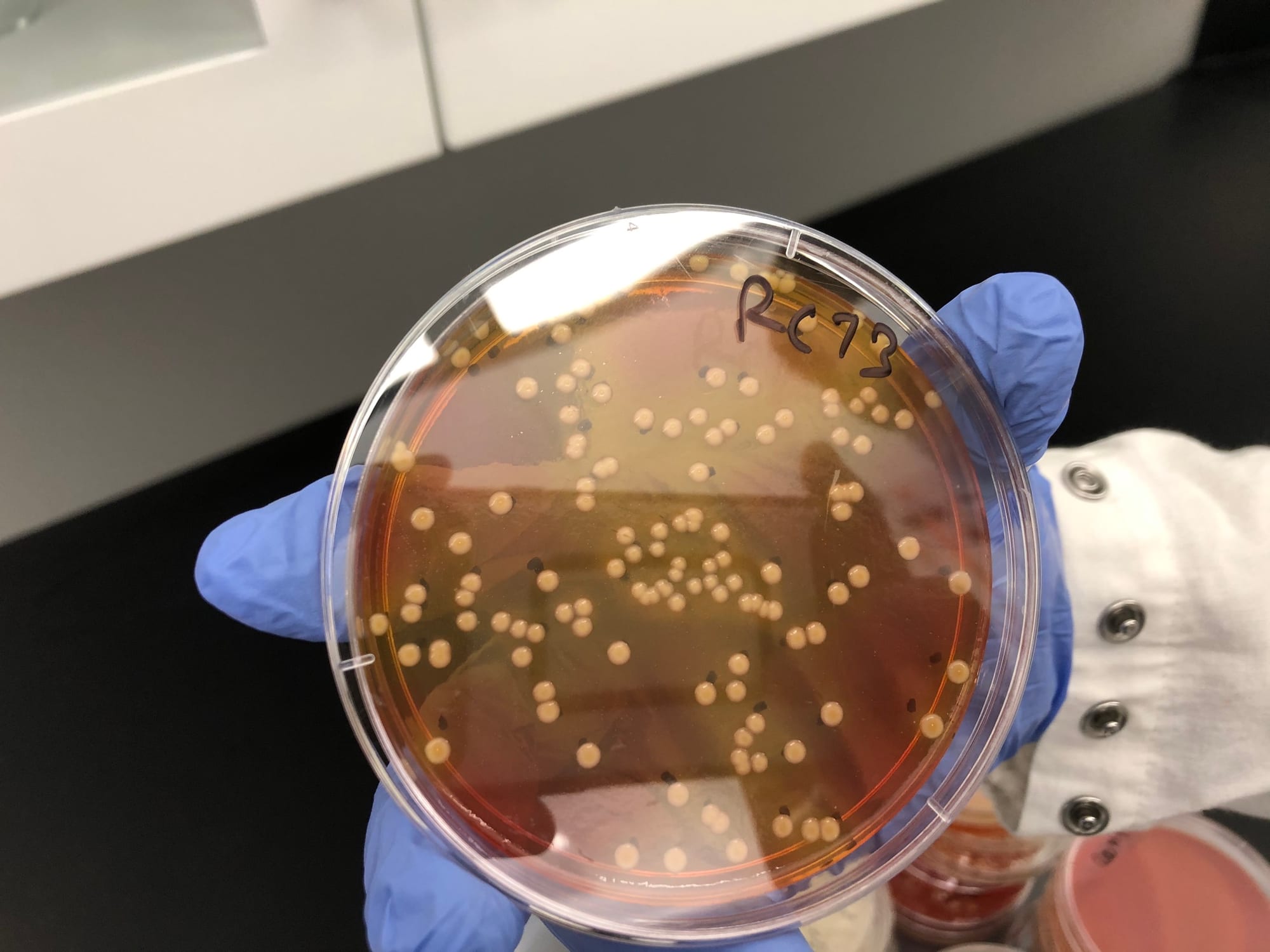
We study how foodborne pathogens and resident microbial communities change across fresh-produce supply chains. Through field sampling, laboratory studies, and microbiome and metagenomic analyses, we identify environmental and operational conditions that influence contamination, survival, and persistence.
Intervention Science & Quality Protection
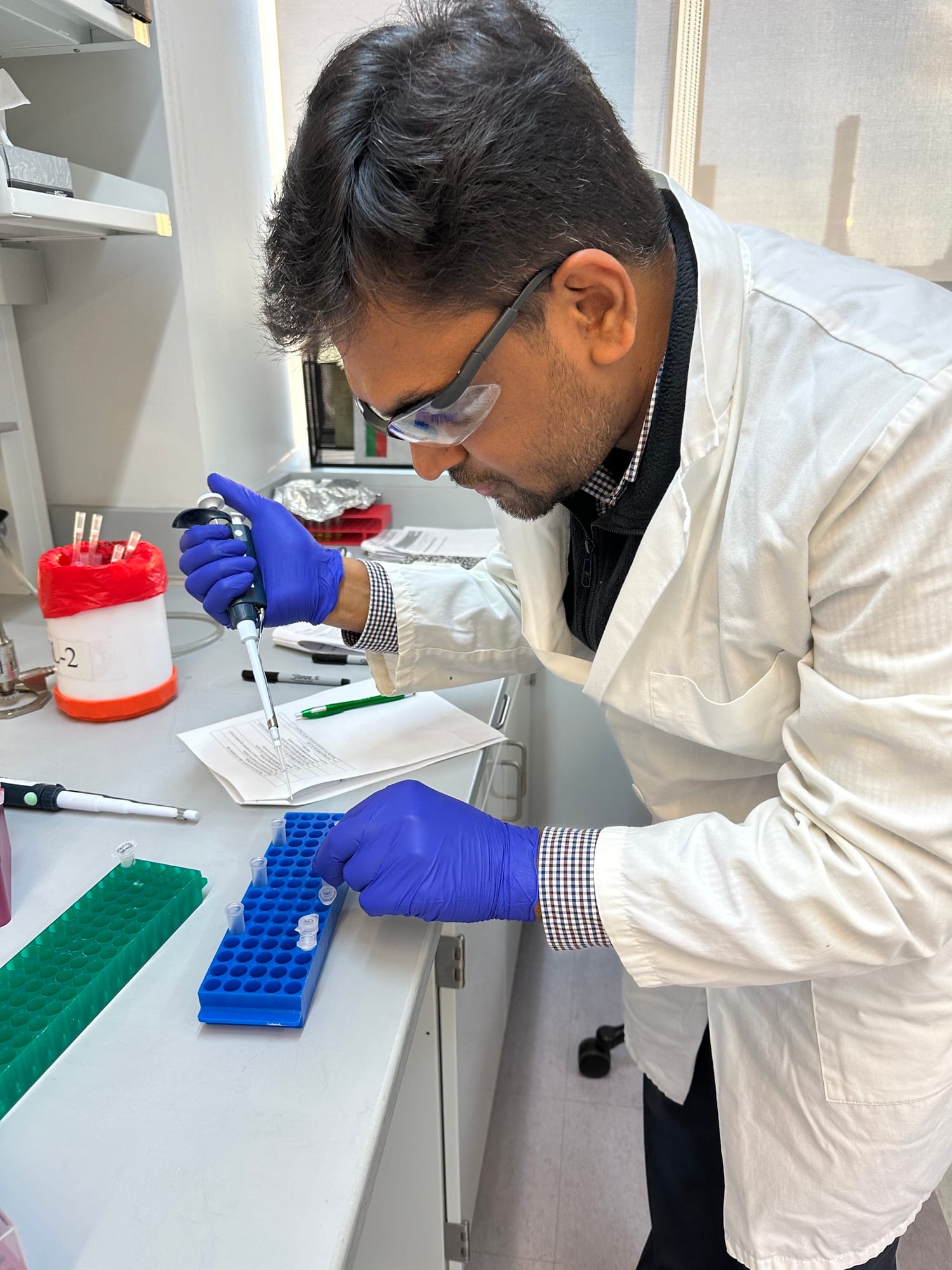
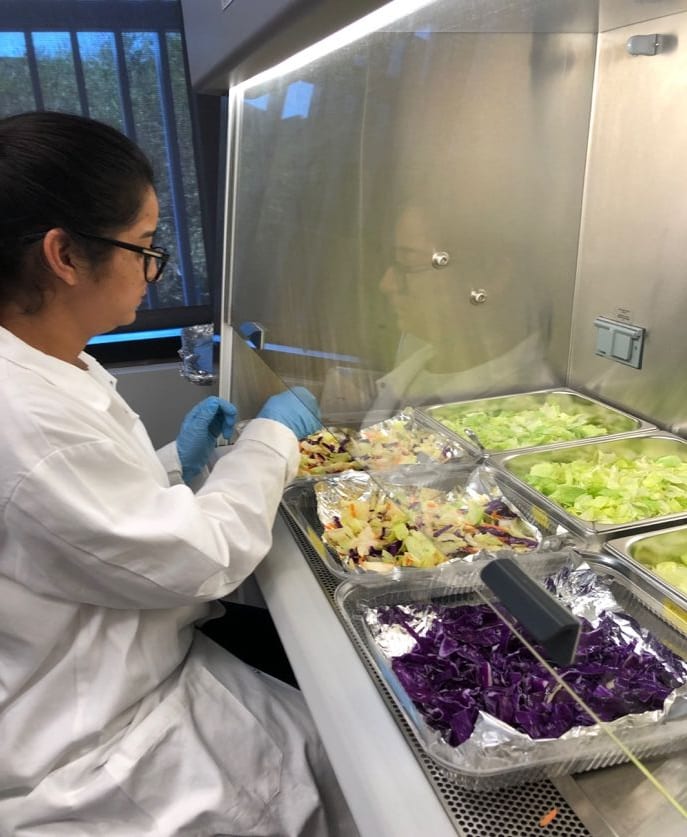
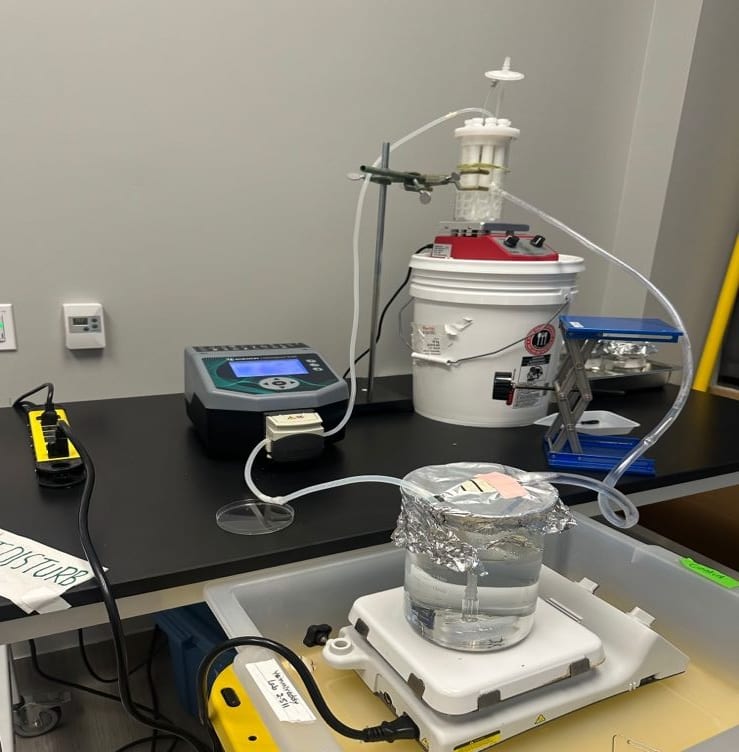
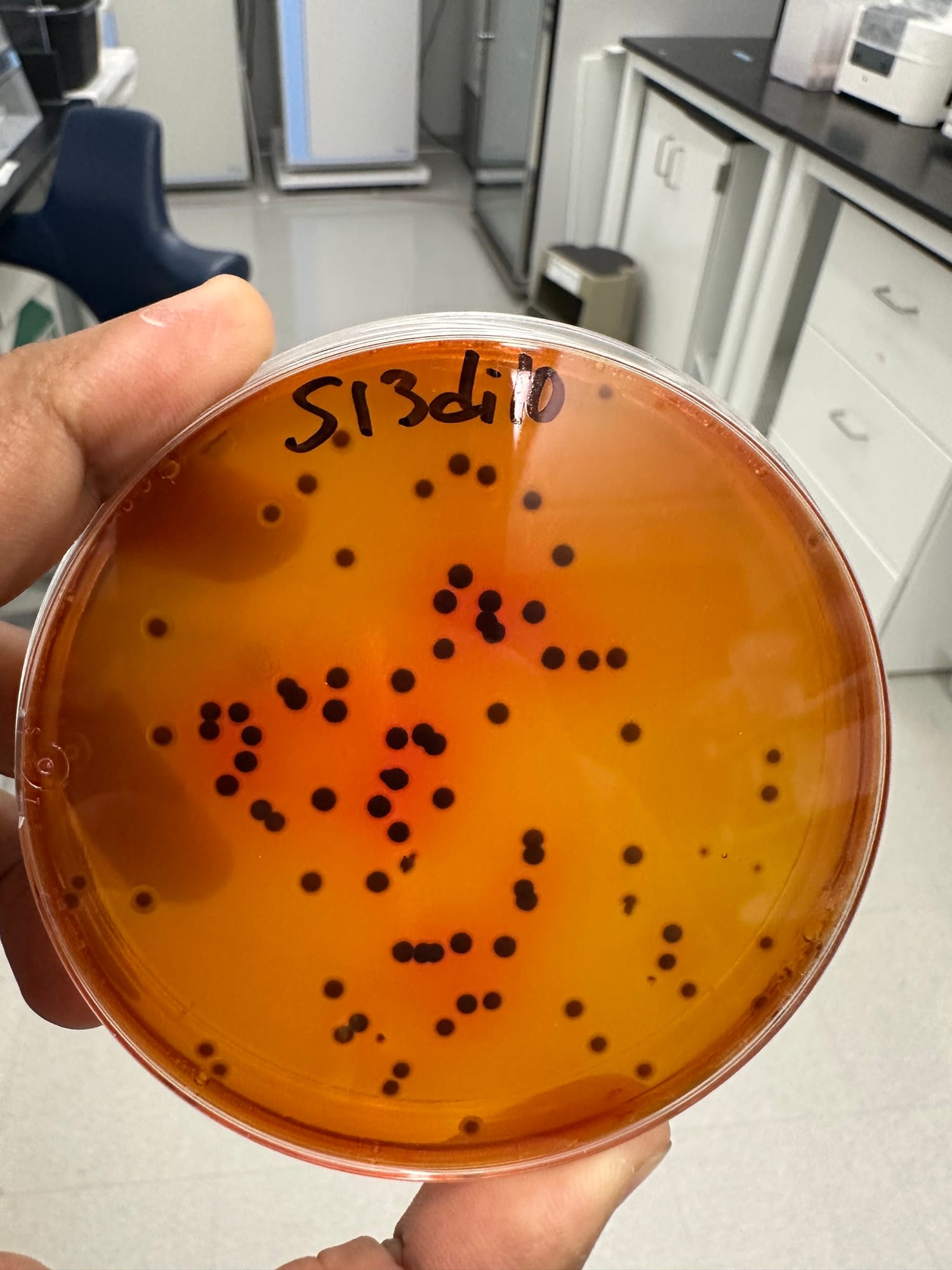
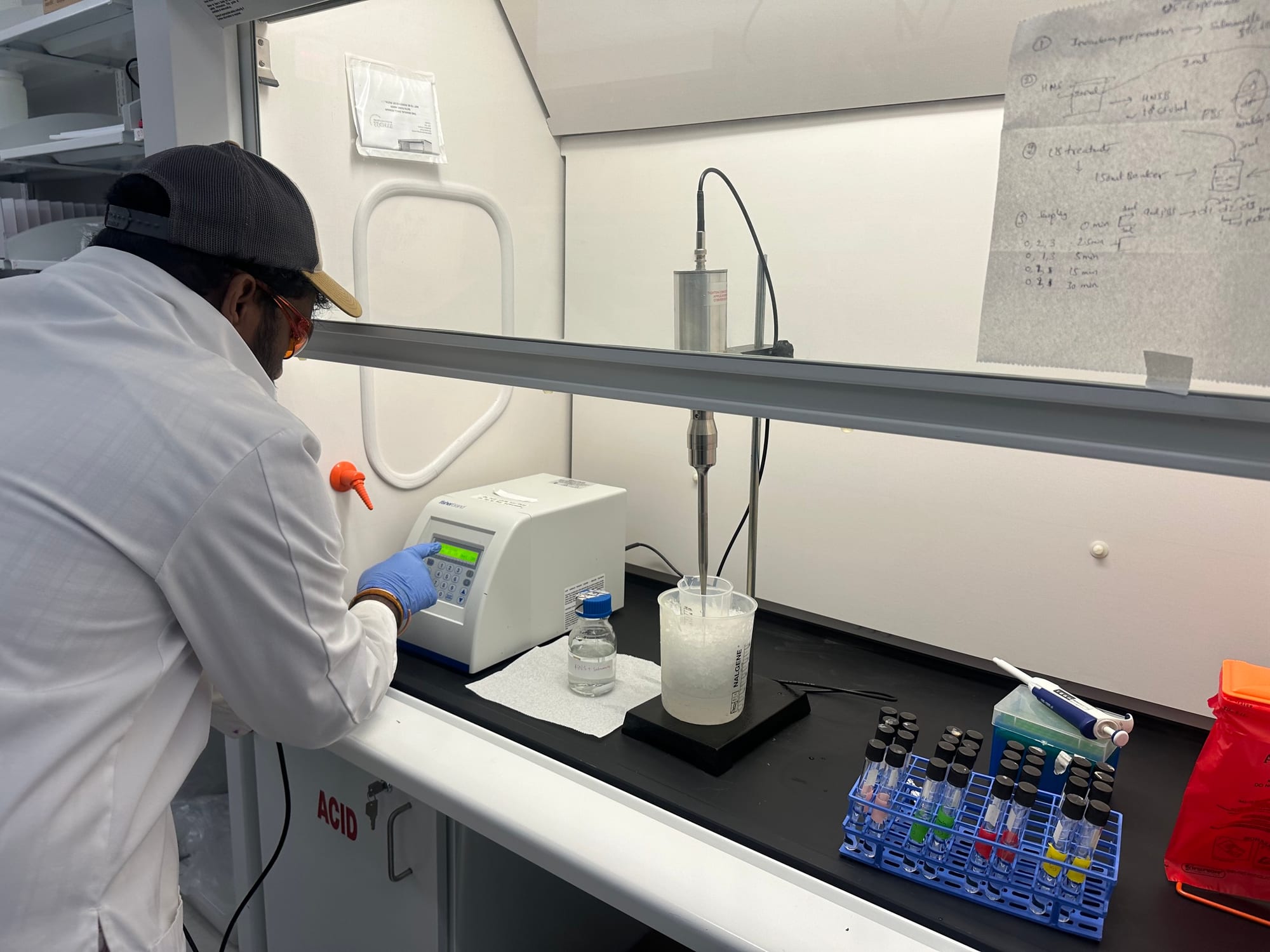
We investigate how microbial stress, surface attachment, and biofilm formation affect pathogen response to control measures. We evaluate sanitizers and emerging technologies for their ability to reduce microbial risk while protecting product quality and shelf life.
Quantitative Risk Assessment & Decision Science
We use quantitative microbial risk assessment (QMRA) to connect laboratory, field, and supply-chain data. These models help us estimate risk, compare intervention strategies, identify critical knowledge gaps, and determine where food-safety actions can have the greatest impact.
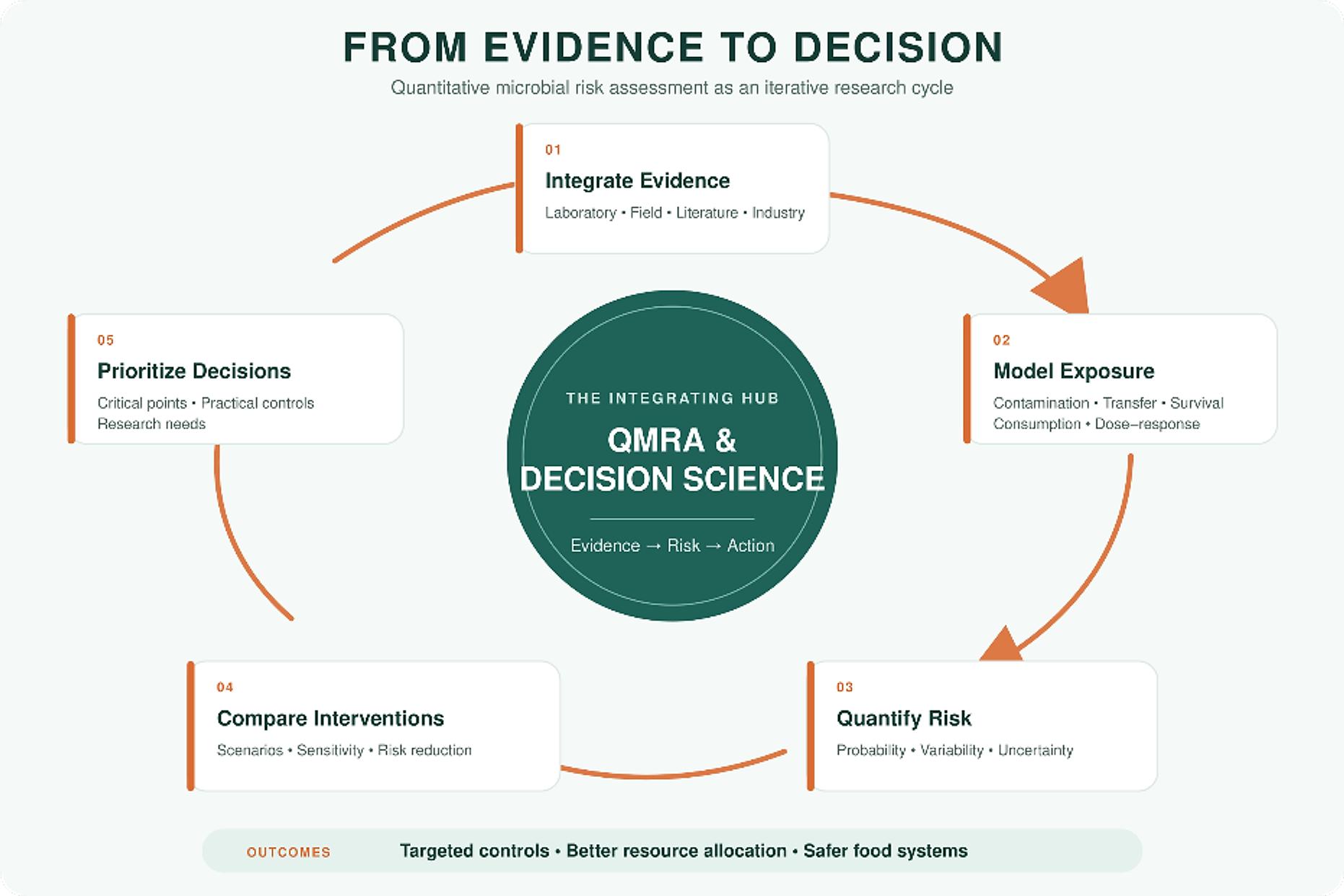
From Evidence to Decision
Quantitative microbial risk assessment as an iterative research cycle
- 01Integrate EvidenceLaboratory • Field • Literature • Industry
- 02Model ExposureContamination • Transfer • Survival • Consumption • Dose–response
- 03Quantify RiskProbability • Variability • Uncertainty
- 04Compare InterventionsScenarios • Sensitivity • Risk reduction
- 05Prioritize DecisionsCritical points • Practical controls • Research needs
OutcomesTargeted controls • Better resource allocation • Safer food systems
One Integrated Research Program
Understand microbial behavior. Develop effective controls. Inform better decisions.